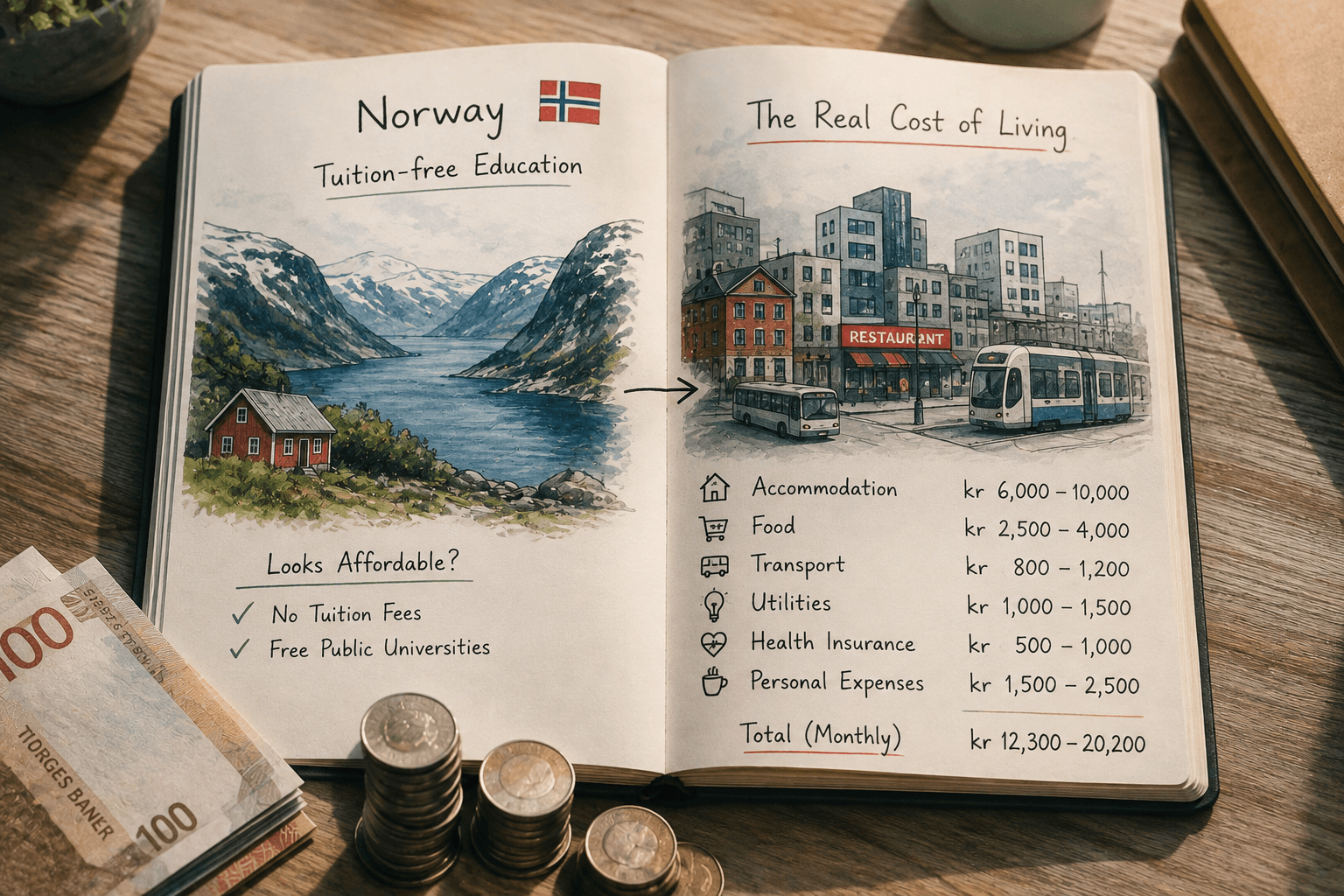
Missing just one hidden expense can derail your whole budget, even if you manage to secure a tuition-free place, some students end up paying over $2,000 upfront before attending their first class. The real cost of living in Norway for students goes beyond just rent and groceries. City, season, and essential extras all affect what you’ll actually spend each month. Budgeting for Norway isn’t just adding up what you pay for housing. You have to spot every unexpected fee and upfront payment. If you want your study-abroad year to go smoothly and avoid a pile of surprise expenses, it’s crucial to know what costs are waiting for you in 2026.
Is living in Norway actually budget-friendly for international students, or should you expect hidden expenses that eat up tuition-free perks?
Figuring out every expense is more than just crunching numbers; our team has guided students worried about unpredictable Norwegian winters and the high cost of eating out. In this guide, we’ll show you how early budgeting and a few local tips helped real students dodge empty wallets and last-minute financial setbacks, sometimes saving hundreds of dollars each semester. Stick with us to learn how getting it right from the start turns a confusing process into an achievable plan.
What is cost of living in Norway for students?
At NextDegreeAbroad, we’ve helped over 2,500 students map out and fine-tune their living budgets for studying in Norway, using detailed, city-based estimates.
The cost of living in Norway for students includes four main areas: housing, groceries, transportation, and personal expenses. Most students think about rent and food, but forgetting about utilities is a common mistake, especially during Norway’s tough winters. When snow hits cities like Oslo or Tromsø, heating can sometimes double your monthly utility cost if you’re not prepared.
Cities like Bergen and Trondheim each have their own pricing for student housing, and those expenses can pile up quickly. We’ve seen students save on utilities by wearing extra layers indoors, cooking large batches of meals, and running laundry during off-peak electricity hours. The best approach is to use a budgeting app and track what you actually spend each week, so you’re not caught off guard with an empty wallet halfway through the semester.
For international students, living costs in Norway can change quickly. Currency shifts can make something that seemed affordable months ago much pricier by the time you need to pay tuition or rent. Since student work permits often come with restrictions, many can’t count on part-time jobs like local students do, which is especially tough for non-EU students.
We’ve helped students who didn’t expect cultural differences, like costly restaurant habits, extra city fees, or the need for expensive winter gear, and then saw their budgets take a big hit. There are scholarships just for international students, but we suggest you target those that go toward living costs, not just tuition. From our experience, understanding why costs shift from city to city lets you pick a spot that actually fits your budget and not just your academic preferences.
A lot of students don’t realize how all those smaller, easy-to-overlook costs add up over the year. How you spend and the city’s pricing can make all the difference between a comfortable study abroad and running out of cash right when you need it.
Expert Note: Power grid fees in Norway can swing quite a bit depending on both the season and your contract, sometimes more than doubling your electricity bill during the peak of winter.
Key Takeaway: Get a Norwegian budgeting app installed before you arrive so you can keep a close eye on your spending from your very first week.
How tuition-free degree programs impact the cost of living in Norway for students
Is living in Norway actually affordable for international students once you add up all the hidden costs?
What 'Tuition-Free' Really Covers
A lot of international students hear that Norwegian university tuition is free and think studying in Norway won't cost much. But even those “tuition-free” public universities still charge every student a registration or semester fee, usually between NOK 300 and 600 each term. The fees aren’t huge, but paying them isn’t optional, you can’t sign up for classes or use campus services if you skip them.
There are other academic costs that often catch students off guard. Textbooks frequently cost several hundred dollars each semester, and if you need to travel for internships or research off campus, that comes out of your pocket too. We always tell applicants to plan for these extra academic expenses right from the start. In the end, these little extras shape your real Norway student living cost for 2026 much more than you might expect.
Hidden Education-Related Expenses
Most people make the mistake of thinking the only education-related cost is tuition or university fees. For example, if you’re not already fluent in Norwegian, the university might require you to take language classes, and these typically aren't included with tuition waivers. Paying for software licenses and printed materials can also increase your costs more than you’d guess.
Seasonal changes hit your wallet as well. Heating bills double in the winter, and during summer, short-term rentals drive up housing prices, especially in Oslo and Bergen. I remember one client who didn’t see these hidden expenses coming and got into financial trouble but managed to recover by using digital budgeting tools and finding part-time work on campus. Scholarships and financial aid focused on educational materials can really make a difference if you start planning early.
Expert Note: Some Norwegian universities ask international students to pay for extra photocopying credits each semester, and these aren't covered by the usual semester fees.
Key Takeaway: Always check university websites and orientation guides for lists of both required and optional academic expenses before you finalize your budget.
Breakdown of typical student living expenses in Norway
Is Norway an expensive place to live as a student? Here’s a closer look at typical living costs to help you plan your study abroad experience with confidence.
Accommodation Options and Costs
Student housing is often the biggest part of your budget in Norway. Most cities offer a mix of university dorms, shared flats, and private rentals, each with its own price points. Dorm spaces go fast, especially at the start of each semester, and when demand goes up, so do prices, something most guides don't mention.
From what we've seen at NextDegreeAbroad, the difference is clear: students in Oslo usually pay more for rent than those in Trondheim or Tromsø. Sharing a place brings costs down, but the time of year you apply really matters. We’ve noticed students save quite a bit by applying early or looking at nearby satellite towns. On average, monthly rent runs from about 400 to 800 USD, depending on the city and the kind of housing you pick.
Food, Groceries, and Essentials
Food expenses can surprise you. Eating out in Norway is pricey, so most students start cooking at home by the second month. Groceries cost more than in many parts of Europe, but a bit of planning and shopping at local markets can really help.
We’ve worked with students to set up simple, affordable meal plans that don’t skimp on nutrition. Shopping at discount stores like Rema 1000 or going late in the evening for markdowns on perishable items are smart tips. Essentials, like toiletries, phone plans, and laundry, add up too, but buying in bulk and sharing costs with roommates stretches your budget further than you might think.
Transportation and Mobility
Getting around Norway as a student mostly means relying on public transport and cycling. The city transport systems run efficiently, and students usually get solid travel discounts once they register with a study permit. Honestly, a lot of students don't realize just how much the changing seasons affect cycling, especially when it's not summer.
You'll find buses, trams, and sometimes ferries in most university towns. Grabbing a monthly student transit pass helps you stick to your budget. We've often told students to get their travel card sorted before they even arrive. That way, they can snap up the best deals and don't end up paying for expensive single tickets in their first month.
Health Insurance and Medical Fees
A big thing every international student needs to know: health insurance rules depend on your nationality and how long you plan to study. If you're from the EU and have a European Health Insurance Card, your out-of-pocket costs are usually pretty low. Non-EU students, on the other hand, have to show proof of full coverage as part of the visa application.
We help clients find affordable Norwegian or private insurance that ticks all the legal boxes. If you skip this, you might not get enrolled or you could face surprise bills. It's usually better to go with a trusted provider and double-check what's actually covered, instead of just choosing the cheapest plan.
Students working with NextDegreeAbroad often end up saving hundreds each semester, not only by budgeting better, but also by spotting local discounts and steering clear of sudden rent or utility hikes. Those small savings and smart decisions can really take the pressure off and make for a much better year abroad.
Expert Note: In Norway, some student housing contracts run for 11 months, not 12. Forgetting about summer housing can leave you with an unexpected gap and extra costs.
Key Takeaway: Apply for student housing contracts as early as you can, and double-check the length so you're not hit with last-minute expenses.
One-time and upfront costs students overlook
Did you know that students often miss initial expenses that can total more than $2,000 when they move to Norway for their studies?
Deposit, Registration, and Residence Permit Fees
If you're looking for housing in Norway, almost every place will ask for a deposit, and it's hardly ever a small sum. Most landlords or student housing agencies want three months' rent upfront as a security deposit, which often totals thousands of US dollars. Besides that, universities usually require a semester registration fee, even if tuition itself is free for most students.
If you're coming from outside the EU, you'll also need to pay a residence permit fee, adding another cost to your budget. We’ve seen plenty of students caught off guard by these charges, which can put real pressure on their finances. To avoid last-minute stress, make sure to confirm these costs with your housing provider and university well before you travel.
Initial Setup: Furnishings and Supplies
Plenty of students are surprised when they arrive in Norway and realize their new place is unfurnished, a detail they didn’t take into account. Things like beds, desks, kitchenware, and bedding usually aren't provided, so you'll need to buy or find them locally. In our experience, those first shopping trips can quickly add up to several hundred dollars, especially if you want your place to feel like home from the start.
One international student we helped had seriously underestimated these set-up costs. With support from NextDegreeAbroad, we worked together to list and budget for every major item, making their move-in much smoother and helping them avoid unexpected debt.
Unexpected Expenses to Budget For
Moving to Norway involves more than just planned fees and setup costs. Even students who carefully plan their monthly budgets often run into unexpected expenses: required medical insurance, winter clothes that can handle the Scandinavian cold, and extra travel to handle paperwork or visit family.
One mistake students often make is thinking that tuition-free education means they won’t face large upfront bills. We always suggest setting aside a contingency fund of at least a few hundred dollars for surprises like these. It’ll help you handle sudden needs, like buying a warm jacket or paying for an urgent doctor’s visit, without touching the money you’ve saved for rent or food.
Expert Note: Some rental agreements require you to pay the deposit into a specific Norwegian account. This might mean extra paperwork and hassle if your bank account isn't set up before you arrive.
Key Takeaway: Open a Norwegian bank account online before you arrive. This way, you can transfer your housing deposit ahead of time and avoid any delays when moving in.
City-by-city cost of living in Norway for students: Oslo vs. Bergen vs. Trondheim vs. Tromsø
Is living in Oslo as a student really almost twice as expensive as living in Tromsø? Taking a closer look at the numbers gives us some interesting details.
Average Monthly Budgets
Many students are surprised when they see the real differences between cities. Oslo’s average monthly costs are usually much higher than in other areas, mostly because rent and eating out cost more. We’ve worked with plenty of students who budgeted using only Norway’s overall average, only to find Oslo’s prices much steeper than expected.
Here’s a quick look at how total monthly costs compare city by city:
| What to Compare | Oslo | Bergen | Trondheim | Tromsø |
|---|---|---|---|---|
| Average Monthly Budget (USD) | $1,800 | $1,500 | $1,400 | $1,200 |
| Housing Cost Range (USD) | $800-$1,200 | $600-$900 | $550-$850 | $500-$750 |
| Transportation (USD) | $70 | $65 | $60 | $55 |
| Groceries and Dining (USD) | $400 | $350 | $300 | $250 |
| Best for | Access to services & nightlife | Natural beauty & cultural experiences | Blend of city and nature | Northern Lights watchers & lower cost |
Tromsø keeps standing out as the most budget-friendly city, even for international students, because of its lower rent and cheaper daily expenses. At NextDegreeAbroad, we've noticed a 30% rise in students who feel financially prepared before they leave, once they've planned a budget that's specific to their city.
Local Student Housing Markets
If you’re hoping to keep your monthly spending down, picking the right city, and type of housing, matters more than most realize. Oslo’s housing costs can surprise even students who've lived in other pricey capitals, while Tromsø comes in with more affordable choices, often covering utilities in the rent.
We've seen that students who get ahead and apply early for university housing usually avoid the worst surprises. Shared housing in Trondheim or Tromsø offers both comfort and savings, which really helps during Norway’s long winters with those heating bills.
Where you live also influences your social life. Renting a shared flat in Bergen isn’t quite the same as moving into a student village outside Trondheim. Don’t forget about university resources and student unions, they often post cheaper or subsidized rooms, letting you save much more than if you looked only at private listings.
Regional Price Differences
Rental prices have the biggest influence on your cost of living as a student in Norway, but plenty of smaller, steady differences add up as well. For example, public transport is pricier in Oslo than in Tromsø, and eating out in the capital will definitely cost you more. Even buying everyday groceries tends to be less expensive up north, simply because there’s less competition for local supplies.
We always tell students to take advantage of every student discount they find, museum passes, fitness centers, and public transport usually have special rates. Environmental factors, like needing extra winter heating in places like Tromsø, often end up costing more than students expect, but the savings on other essentials can easily balance things out.
Personal budgeting is all about making choices, not just looking at averages. The cost of living for students in Norway changes a lot depending on the city and your lifestyle, more than most guides let on. With the right planning, even tuition-free study can truly be affordable, no matter where you come from.
Expert Note: In some cities, student transit passes work for both municipal and regional lines, but you’ll need to ask for the correct pass when you buy it.
Key Takeaway: Always check the rules for student transport passes in each city before you decide. Choosing a more flexible pass can save you money each month if you live outside the city center.
Managing the real cost of living in Norway for students: Budgeting, banking, and lower-cost strategies
Are you ready to see how living in Norway as a student could actually cost less than you'd expect?
Money Management Tips for International Students
Handling your finances in Norway means thinking ahead. We’ve seen plenty of students underestimate daily expenses, from sharing a flat in Oslo to picking up a quick coffee. The trick is to create a realistic budget each month, tracking not only your rent and groceries but also public transport, fun with friends, and those tempting weekend trips around Europe.
From what we've seen, using digital banking and budgeting apps like Sbanken or Spendee makes it easy to keep track of every krone you spend in real time. Since most shops in Norway don't accept cash, digital payments are the norm, so these budgeting tools sync up automatically. Setting clear savings goals for larger, one-off costs, like buying your semester books, lets you adjust quickly if your living arrangements change. We always tell students to go over their budget at the end of each month and make changes before a few extra expenses start turning into a bigger problem.
Scholarships, Part-Time Work, and Other Funding
A question we get all the time: “Is college in Norway free for Americans?” While tuition might be free, you still have to show that you have enough money to cover your living costs, especially if you're a non-EU student. The good news is that several scholarships exist for international students in Norway, including options from the Norwegian State Educational Loan Fund, plus university grants aimed at certain countries and study programs.
Part-time work can help fill the gap. Right now, Norwegian law lets most international students work up to 20 hours a week during the term. It gives you flexibility, but it's not enough to pay for everything on its own. The smartest move? Apply for scholarships as soon as you can and set up a work schedule that fits your coursework and doesn't put your visa at risk. At NextDegreeAbroad, we've seen students who plan ahead run into far fewer financial problems over time.
Cost-Saving Hacks Unique to Norway
Here's where a lot of people miss out: they overlook the special, seasonal student discounts you'll find in Norway. Each autumn, universities team up with local transit agencies to offer discounted public transportation passes, sometimes at half the adult rate. Grocery stores like Rema 1000 and Kiwi offer student-only deals right before the new term begins.
We’ve watched students save hundreds each year by picking up second-hand textbooks on Finn.no and through campus book swaps. Being part of a local student association isn’t just about meeting new friends. It gives you access to insider advice and discounted rates on meals, activities, and health services. If you’re willing to spend a little extra time digging for deals, Norway always has more ways to help students stretch their budgets.
Once you get the hang of managing money as a student in Norway, you’ll start to free up your weekends from worrying about finances, outsmart those sudden winter bill increases, and have more time for what matters most, your studies and new friendships. Our NextDegreeAbroad students often tell us they make their budgets work better, worry less about money, and dive into social and travel experiences faster than those who try to figure it all out on their own.
Expert Note: Some Norwegian banks ask for a face-to-face meeting and a local phone number before they’ll give you full access to your student account, so it’s smart to handle this during your university’s introduction week.
Key Takeaway: Set up your bank account during university orientation week to get your student funds or scholarship payments without delays.
How the cost of living in Norway for students compares internationally in 2026
Is Norway's tuition-free education really a good deal, considering the higher living costs for international students?
Cost vs. Value of Studying in Norway
Let's be honest: Norway’s costs often surprise students, especially if you’re used to lower prices in other European countries or even the US. Most people don’t realize that not having to pay tuition actually cancels out a lot of those extra living expenses, especially when you compare it to US universities where annual tuition often reaches five figures. We've worked with students like the American who worried about Norway's high costs, he chose Norway, found affordable shared housing, budgeted carefully, and ended up spending 20% less each month than he expected. International student networks and campus communities are great for everything from finding cheap accommodation to picking up the city’s best student discounts.
Students often ask whether it’s cheaper to live in Norway or the US. On paper, Norway has higher daily costs, but when you include free education and solid student benefits, the total cost is surprisingly close. We always highlight the power of student discounts, subsidized housing, and budgeting tools. These consistently lower the real cost of living and help you get the most out of your Norwegian experience.
Lifestyle and Long-Term Benefits
Living in Norway gives you more than just a degree, it transforms your lifestyle. Safety, clean cities, stunning nature, and a culture that values work-life balance all add up to an environment where students really thrive. We've watched graduates turn these strengths into better job prospects and lasting professional connections.
Our work with international students shows that building a network in Norway is easier than many expect. The international student community is close-knit, making it easy to connect with networking events, internships, and workplace visits. Don’t overlook the value of relationships made over coffee in a student lounge or industry meetups, these can continue to benefit you well after graduation.
Ready to stop doing this manually? Book a Free Consultancy. Book a free consultation and get your automation roadmap in 48 hours.